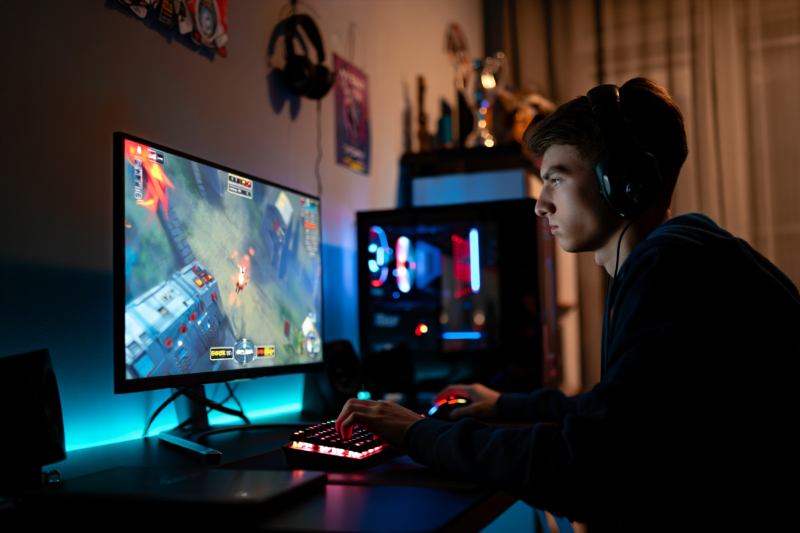
Transition From Casual Player to Competitive Mindset With Proven Strategies
In the rapidly evolving world of esports, the difference between casual play and high-level competitive performance is often a matter of mindset, strategy, and dedication. Whether you’re an aspiring pro or a dedicated enthusiast eager to improve, understanding how to transition from the fun of casual gaming to a serious competitive approach is crucial. This article explores proven strategies to help you develop a winning mindset, enhance your skills, and unlock your full gaming potential.
Recognize the Difference: Casual vs. Competitive Gaming
Before diving into strategies, it’s essential to understand what sets competitive gaming apart:
| Aspect | Casual Gaming | Competitive Gaming |
| Mindset | Relaxed, entertainment-focused | Goal-oriented, disciplined |
| Skill Level | Basic familiarity, limited specialization | High proficiency, strategic depth |
| Approach | Play for fun, enjoyment | Play to win, improve continuously |
| Equipment & Setup | Standard hardware, personal setup | Optimized gear, tailored configurations |
| Routine | Irregular, casual sessions | Structured practice, routine training |
Transitioning from one to the other involves shifting this mindset and adopting a dedicated approach.
Step 1: Develop a Growth Mindset
The foundation of any successful transition is embracing a growth-oriented mindset. Recognize that skills can be improved through consistent effort and learning.
Key Actions:
- Embrace Challenges: View losses as learning opportunities rather than failures.
- Seek Feedback: Regularly analyze your gameplay and seek constructive criticism.
- Maintain Resilience: Stay motivated despite setbacks—and celebrate small victories.
Step 2: Set Clear, Achievable Goals
Defining concrete objectives keeps your progress measurable and focused.
Examples of Goals:
- Improve your kill/death ratio by a specific percentage.
- Master particular game mechanics or heroes.
- Climb the ranks progressively over a set period.
Use the SMART goal framework—Specific, Measurable, Achievable, Relevant, Time-bound—to guide your ambitions.
Step 3: Implement Consistent, Focused Practice
Quality beats quantity. Focused practice optimizes your improvement potential.
Proven Strategies:
- Deliberate Practice: Concentrate on weak areas, such as map awareness for CS:GO or positioning in Valorant.
- Replay Analysis: Review your matches to identify mistakes and opportunities.
- Skill Drills: Use custom games or training modes to hone specific skills.
Step 4: Study the Meta and Game Mechanics
In esports, understanding meta shifts and game psychology can give you a competitive edge.
How to Stay Ahead:
- Follow professional tournaments and analyze strategies.
- Study patch notes to understand balance changes.
- Experiment with different heroes, weapons, or strategies to adapt to evolving metas.
Step 5: Optimize Your Equipment and Environment
Competitive gaming demands top-tier hardware and a distraction-free setup.
Essential Hardware:
- High-refresh-rate monitor
- Responsive mouse and mechanical keyboard
- Reliable internet connection
Environment Tips:
- Use ergonomic furniture to sustain longer sessions.
- Minimize background noise and distractions.
- Ensure proper lighting and ventilation.
Step 6: Cultivate Mental Toughness and Tactical Awareness
Top-tier players excel in focus, stress management, and gameplay psychology.
Techniques Include:
- Breathing exercises before matches.
- Maintaining a positive attitude, even after losses.
- Developing game-specific intuition through extensive experience.
Step 7: Network and Engage with the Esports Community
Building connections can open doors to mentorship, team opportunities, and industry insights.
Ways to Engage:
- Participate in online forums or Discord communities.
- Attend local or online tournaments.
- Follow industry insiders and professional players for tips and inspiration.
FAQs: Transitioning to Competitive Gaming
How long does it take to become a competitive player?
Time varies depending on your starting skill level, dedication, and resources. Consistent effort over several months typically yields noticeable improvements.
Do I need to be a professional to compete?
Not necessarily. Many competitive players start at amateur levels or participate in online tournaments before going pro.
Can I compete while balancing other responsibilities?
Yes, but strategic time management and disciplined practice are key for balancing gaming with other commitments.
Shifting from a casual gamer to a competitive contender isn’t an overnight process—it’s a journey fueled by deliberate effort, strategic planning, and resilience. By applying these proven strategies, staying informed about meta shifts, and continuously improving, you’re actively shaping your path toward higher achievement in the esports ecosystem.
Ready to elevate your game? Start today—set your goals, refine your skills, and embrace the competitive mindset. Your future as an esports athlete begins now.