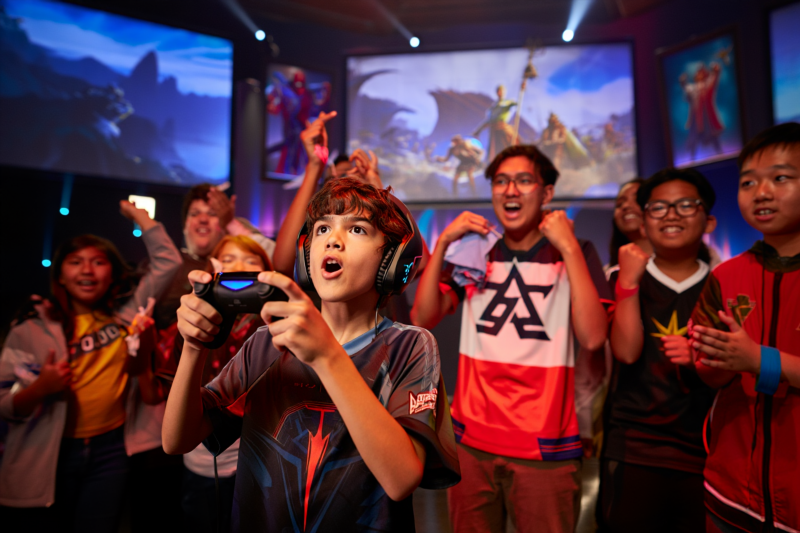
In the rapidly evolving world of competitive gaming, storytelling is more than just entertainment — it’s a strategic tool that shapes player identities and cultivates unwavering fan loyalty. Platforms like Zombieland Esports recognize that behind every successful esports title lies a rich narrative and immersive lore that forge deep emotional bonds with players and fans alike. By integrating compelling storytelling into game design and community engagement, stakeholders can foster vibrant ecosystems that thrive on loyalty, passion, and active participation.
The Role of Worldbuilding in Shaping Player Identities
Creating Immersive Universes
Worldbuilding is the cornerstone of engaging narratives that resonate with players. Whether it’s the dystopian landscapes of CounterStrike 2, the mythic realms of Dota 2, or the futuristic arenas of Valorant, immersive environments provide more than just a backdrop—they lay the foundation for a unique identity. When players see themselves as heroes, rebels, or legends within these worlds, they internalize these roles, fostering a personal connection that extends beyond gameplay.
Personalization and Character Development
In-game lore that supports character development enhances player investment. Titles like LoL feature customizable champions with detailed backstories, allowing players to see themselves reflected in their chosen heroes. This personalization encourages players to develop a strong sense of ownership and loyalty toward their characters, amplifying engagement and community integration.
How Narratives Build Community and Loyalty
Shared Stories and Community Identity
Shared narratives unify players, creating a collective identity. Esports teams and fans can rally around iconic story arcs or lore-based rivalries, fueling passionate discussions and social cohesion. For instance, evolving storylines during tournaments can create memorable moments that fans recount, strengthening communal bonds.
Building an Emotional Connection
Narratives evoke emotions—excitement, pride, nostalgia—that reinforce loyalty. A well-crafted story makes victories sweeter and defeats more meaningful, inspiring players and fans to stay committed. For example, following a team’s journey from underdog to champion through narrative storytelling fosters rallying around that success story, turning casual observers into devoted supporters.
Strategies to Enhance Engagement through Storytelling
| Strategy | Description | Impact |
| Developing Deep Lore | Crafting comprehensive backstories that enrich game worlds. | Increased immersion and emotional attachment. |
| Integrating Narrative in Gameplay | Including story-driven missions, events, or quests. | Promotes ongoing engagement and content freshness. |
| Engaging Community Creators | Encouraging fans and content creators to expand lore. | Expands narratives organically, fostering a sense of ownership. |
| Utilizing Multimedia Storytelling | Using videos, comics, and social media to tell stories. | Captivates diverse audiences and sustains interest. |
Practical Tips for Esports Organizations and Developers
- Embed Player Stories: Highlight individual player journeys and achievements within overarching narratives.
- Create Episodic Content: Release story arcs through updates, videos, or live events to maintain momentum.
- Foster Fan Participation: Invite fans to contribute their stories, theories, and lore expansions, creating co-creation dynamics.
- Leverage Social Media: Share behind-the-scenes lore development processes to build anticipation and engagement.
Frequently Asked Questions (FAQs)
Why is storytelling important in esports?
Storytelling humanizes competitive gaming, making it relatable and emotionally engaging. It builds a sense of belonging and loyalty among players and fans, driving long-term engagement.
How does lore influence player identity?
Lore provides players with a narrative framework to identify themselves with certain characters, factions, or storylines, fostering stronger emotional bonds and sense of belonging.
Can storytelling help new titles gain popularity?
Absolutely. Compelling stories and worldbuilding attract curiosity and emotional investment, helping new games differentiate in a crowded market and build dedicated communities.
How can I incorporate storytelling into my esports team or platform?
Start by creating a compelling origin story, develop lore-rich content, involve your community in story expansion, and utilize multimedia channels to share narratives consistently.
In the competitive landscape of esports, storytelling isn’t just a marketing tactic—it’s a vital element for building authentic connections and fostering loyalty. By weaving engaging narratives and immersive worlds, platforms like Zombieland Esports empower players to see themselves as part of something larger, creating dynamic communities where loyalty is rooted in shared stories and emotional resonance. Embrace storytelling to captivate your audience, deepen relationships, and shape the future of competitive gaming.