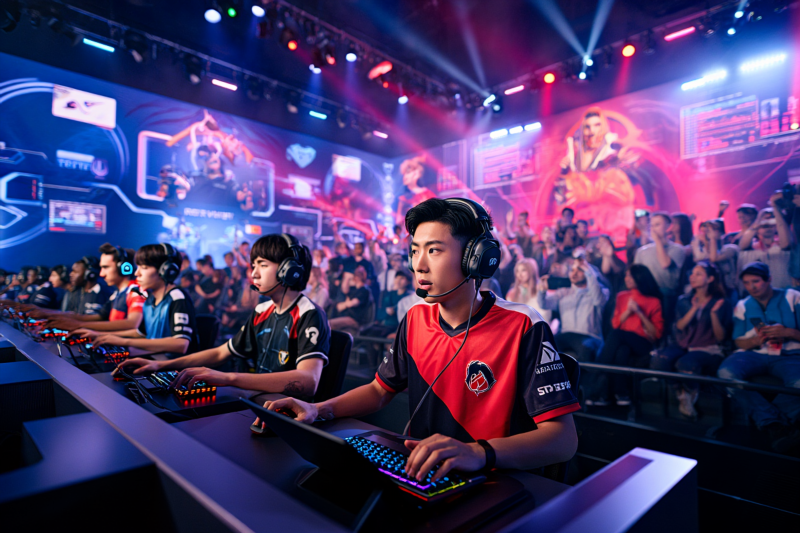
In the fast-evolving landscape of competitive esports, game developers are the master architects behind every experience players encounter. Their influence extends beyond mere creation, directly shaping the fairness, engagement, and integrity of the gaming environment. Whether it’s balancing complex gameplay mechanics or fostering a community of competitive excellence, developers hold the key to constructing a thriving and equitable esports ecosystem.
The Importance of Fairness in Competitive Play
Why Fair Play Matters in Esports
Fair competition is the lifeblood of credible esports tournaments, attracting passionate players, viewers, and industry stakeholders alike. Unrealistic advantages or unbalanced gameplay can undermine the integrity of competitions, dissuading talent and eroding trust.
Balancing Gameplay for Equality and Challenge
Game developers employ several strategies to ensure fairness:
- Mechanic Balancing: Adjusting character abilities, weapons, and game mechanics to prevent any one strategy from dominating.
- Meta Shifts Monitoring: Continuously analyzing game data to identify overpowered tactics and introducing updates to counteract them.
- Matchmaking Algorithms: Designing systems that pair players of similar skill levels for equitable competitive experiences.
Maintaining Competitive Integrity
By actively managing game balance, developers prevent the emergence of exploits or unfair advantages, ensuring that all players have an equal chance to succeed. This commitment fosters a healthy, competitive environment where skill and strategy are the true determinants of victory.
Enhancing Player Engagement Through Innovation
Creating Dynamic and Evolving Experiences
Engagement hinges on novelty and challenge. Game developers introduce new content, updates, and mechanics that keep gameplay fresh and exciting:
- Meta Updates: Regular patches that refine game balance and introduce new strategies.
- Emerging Titles and Features: Incorporating trending genres or innovative gameplay modes to retain player interest.
- Tactical Depth: Designing maps, characters, and game modes that reward strategic thinking and mastery.
Promoting Player Progression and Community
Engagement is further driven by features that promote growth and community:
- Ranked and Competitive Modes: Structured paths for players to measure progress.
- Spectator and Streaming Support: Tools that facilitate sharing and viewing matches, boosting competitive visibility.
- Career Pathways: In-game recognition, tournaments, and mentorship opportunities that nurture aspiring professionals.
The Intersection of Technology and Fair Play
Hardware and Performance Metrics
Advances in gaming hardware and real-time analytics allow developers to monitor player performance and detect unfair practices:
- Cheat Detection Systems: Ensuring a level playing field by identifying and penalizing cheaters.
- Digital Performance Metrics: Tracking reaction times, accuracy, and other stats to promote transparency and fairness.
- Hardware Innovation: Promoting equitable hardware access and designing game mechanics that minimize advantages gained through peripheral equipment.
Influencing Tournament Dynamics
Game design choices impact how tournaments unfold, from match pacing to scoring systems, always with a focus on fairness and excitement.
How Developers Shape the Future of Esports
Understanding the Impact of Developer Decisions
Every update, patch, or new feature can shift the competitive landscape. Developers listen to community feedback, analyze meta trends, and leverage data analytics to inform decisions that enhance game fairness and engagement.
Creating Sustainable Ecosystems
By balancing fun, fairness, and challenge, game developers foster vibrant esports communities, encourage diverse participation, and promote longevity in competitive gaming.
FAQs: Common Questions About Game Developer Influence
Q1: How do game developers detect and prevent cheating? *Developers employ sophisticated cheat detection algorithms, real-time monitoring, and community reporting systems to identify and ban cheaters promptly.*
Q2: How often are game updates made to maintain balance? *Many successful esports titles release regular patches—sometimes weekly or monthly—based on ongoing data analysis and player feedback.*
Q3: Can developers fix unbalanced gameplay after release? *Absolutely. Post-launch updates are designed to address balance issues, introduce new content, and refine gameplay mechanics to sustain fairness and excitement.*
Game developers are the cornerstone of a thriving esports ecosystem. Through meticulous balancing, innovative content, and technological oversight, they ensure that competitive play remains fair, engaging, and evolving. As the esports scene continues to grow, the ongoing commitment of developers to fairness and player enjoyment will be essential in shaping a sustainable and exciting future for competitive gaming.
Ready to stay ahead in the competitive gaming universe? Whether you’re a player, analyst, or industry insider, understanding how game developers influence fairness and engagement can empower you to predict trends and actively shape the future of esports. Stay connected with Zombieland Esports for the latest insights, analysis, and tools to navigate this dynamic scene.